
Google Vids Revolutionizes Video Creation with AI Avatars
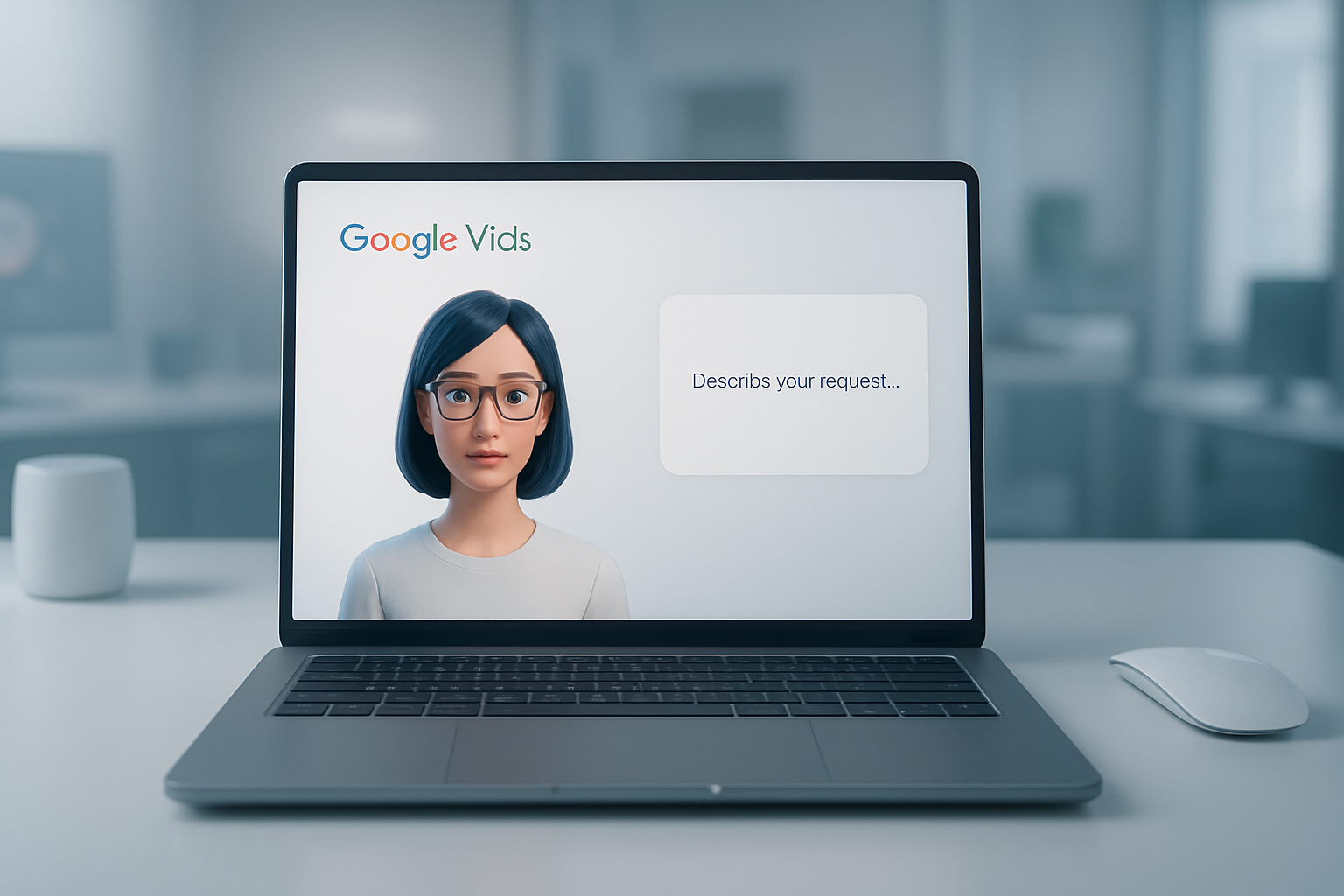
Google has unveiled major updates to its Vids app, allowing users to direct AI avatars using text prompts and integrating advanced Veo 3.1 model support.
Key Points
- Introduction of natural language prompting to direct AI avatars in Vids.
- Integration of the Veo 3.1 model to ensure character consistency and high visual quality.
- Direct export functionality for projects to YouTube.
- New Chrome extension for seamless screen recording directly into the app.
- Shifting the creator's role from manual editing to AI-assisted directing.
In a bold move aimed at redefining the landscape of visual content production, Google has unveiled a comprehensive suite of updates for its video editing application, Vids. This release arrives at a pivotal moment in the tech industry, as giants compete to deliver generative AI tools that democratize video production for everyone from amateur creators to corporate marketing teams. The era of manual, frame-by-frame editing is rapidly evolving into an era of "AI direction," where the creator acts as a director rather than a technician. The standout feature of this update is the ability to guide AI avatars through natural language prompts. Users no longer need to source stock footage or hire actors to represent their brand. Instead, they can simply type descriptive commands, and the app will generate a coherent visual scene. These avatars are capable of interacting with products, props, or specific equipment within the virtual environment, offering a significant advantage for businesses looking to create product demonstrations or instructional videos without the overhead of physical studio time. Technologically, Google has addressed one of the most persistent hurdles in generative video: character consistency. In previous iterations of AI video generation, models often struggled to maintain a stable appearance for the same character across different frames or angles. Through advanced upgrades in the Veo 3.1 model, Vids now ensures that a character retains its identity, features, and clothing throughout the entire video sequence. This level of stability is crucial for professional-grade output and marks a significant leap forward in the maturity of Google's AI stack. Beyond character control, the integration of the Veo 3.1 model brings faster processing and higher visual fidelity to the platform. Google has also streamlined the distribution pipeline by allowing users to export their finished projects directly to YouTube, creating a seamless workflow from conception to publication. To further boost productivity, a new Chrome extension has been introduced, enabling users to capture screen recordings directly into their Vids workspace, effectively eliminating the friction of file transfers and external editing software. This strategic push by Google positions Vids as a formidable competitor in the burgeoning market of AI-driven creative tools, challenging alternatives from companies like Adobe and OpenAI. However, Google’s primary advantage lies in its ecosystem integration. By housing these high-end AI capabilities within the browser, Google removes the barrier of entry for hardware-intensive software. For enterprise users, this translates to drastically reduced production costs, allowing for the creation of high-quality training materials or advertisements in a fraction of the time previously required. The evolution of video production is moving steadily away from traditional non-linear editing towards generative storytelling. Google's update to Vids is not just about adding features; it is about shifting the role of the creator from a manual editor to an AI director. As models like Veo 3.1 continue to improve, the quality of AI-generated content will likely reach parity with traditional cinematography. This shift forces us to reconsider the future of creative labor, where the premium is placed on vision and prompt engineering rather than technical proficiency in legacy software suites.
Generative AI in Vids
The integration of the Veo 3.1 model into Vids represents a significant milestone in Google's video processing capabilities. This model goes beyond simple animation, understanding complex scene contexts to allow users to build cohesive visual narratives through interactions with AI avatars.
Optimized User Experience and Workflow
Google has prioritized streamlining the creative process by adding features like direct YouTube exports and a dedicated Chrome extension for screen capture. These tools are engineered to reduce technical friction, allowing creators to focus on their vision rather than file management.
This article was drafted with AI assistance and editorially reviewed before publication. Sources are listed below.
