
Google's New Screenless Fitbit Band Takes on Whoop
Google is set to shake up the wearable market with a new screenless Fitbit band, leaning heavily into subscription-based AI health coaching.
Key Points
- Google is developing a screenless Fitbit to rival Whoop and Oura.
- The device will utilize a subscription model for advanced health insights.
- Integration with Google Gemini AI for personalized health coaching.
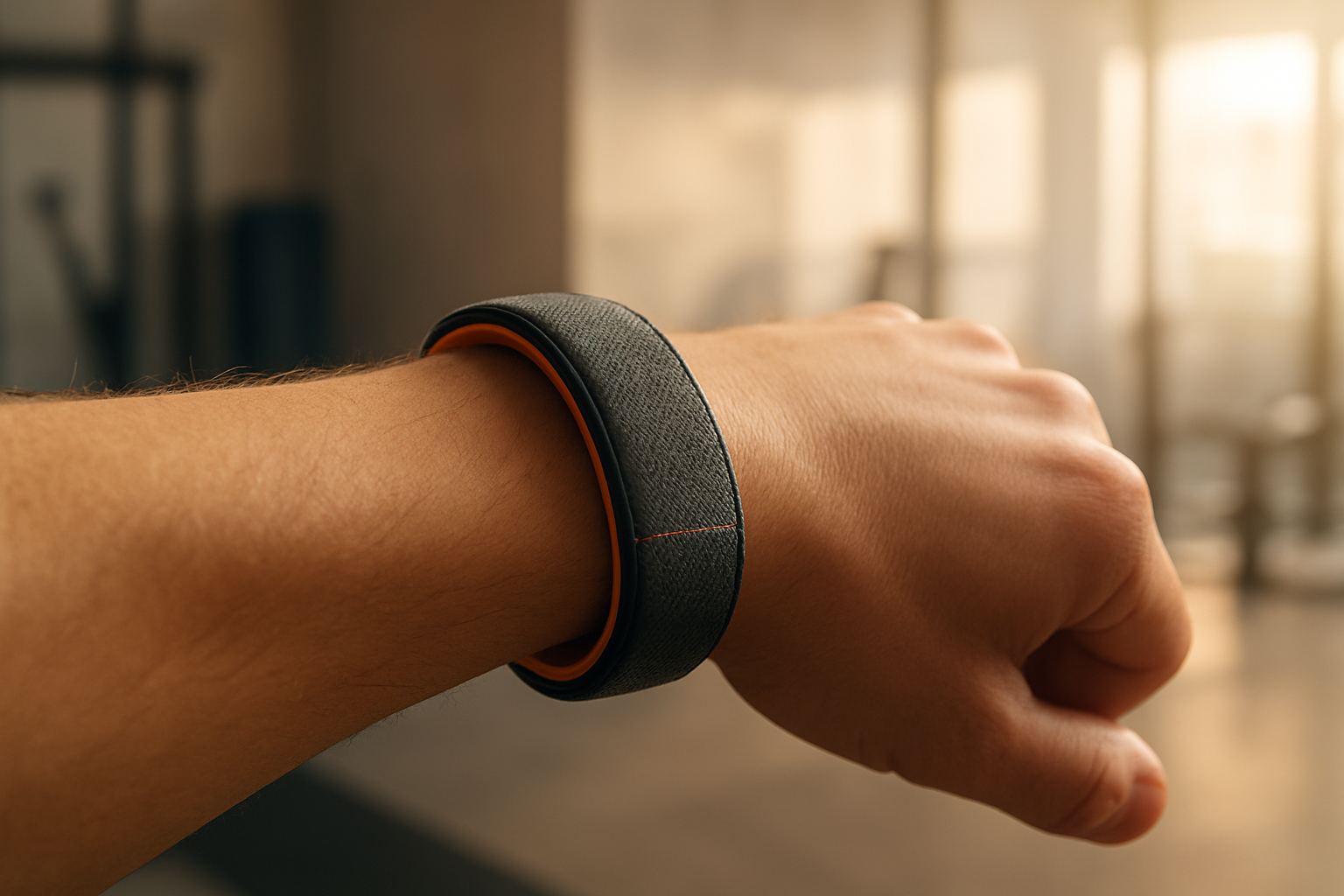
- Features a stylish gray cloth design with orange accents.
- NBA star Stephen Curry is collaborating with Google on the project.
In a bold strategic shift, Google is preparing to expand its wearable ecosystem by introducing a completely new concept under the Fitbit brand. According to recent reports, the company is developing a fitness band that lacks a screen entirely, specifically designed to compete with industry-leading screenless wearables like Whoop and Oura. This move marks a significant departure from the traditional fitness trackers that Fitbit users have come to expect, shifting the focus from real-time on-wrist interaction to deep, AI-driven data analysis via the smartphone app. The concept of screenless wearables is not new to the market, but Google’s entry into this niche significantly alters the competitive landscape. While Fitbit devices have historically relied on vibrant OLED displays to provide instant feedback to users, this upcoming device adopts a philosophy of passive health tracking. This approach is ideal for users who want to monitor their health without the constant distraction of notifications, numbers, and digital clutter, allowing the device to work silently in the background. Regarding the design, early glimpses of the band reveal a stylish, textile-based aesthetic. The device features a gray cloth construction accented with an orange lining, giving it a sophisticated look that moves away from traditional gadget-heavy aesthetics and toward fashion-forward accessories. It is highly likely that Google will offer a variety of color combinations at launch, catering to different styles and preferences. The involvement of NBA superstar Stephen Curry, who has been actively teasing the device on social media, suggests that the product is nearing its final stages of development and public release. Central to the business model of this new Fitbit is a hybrid approach centered on subscriptions. While users will pay for the hardware upfront, the most advanced insights and features will be locked behind a recurring paid subscription. This strategy aligns with the current trend in the health-tech industry, ensuring a continuous revenue stream for Google while allowing the company to push regular software updates and feature enhancements to the user's health dashboard. At the core of the user experience is the integration of Google’s Gemini-powered personal health coach. This AI system is designed to act as a sophisticated health mentor, providing actionable insights into various aspects of daily life, including mental health, physical recovery, nutrition, hydration, and cycle tracking. By leveraging the power of Gemini, the Fitbit band aims to transform raw biometric data into meaningful advice, helping users navigate their health journeys with more clarity and precision than ever before. Historically, Fitbit has been a pioneer in the activity tracking space, but since its acquisition by Google, the brand has entered a new era of integration with the Android ecosystem and advanced AI services. This new band represents the pinnacle of that integration, stepping away from direct competition with full-featured smartwatches like the Apple Watch and focusing instead on specialized markets that value continuous, high-fidelity health data without the need for constant screen interaction. For consumers, this product raises important questions about the value proposition of subscription-based hardware. While competitors like Whoop have proven that users are willing to pay for premium insights, Google's challenge will be to convince its traditional user base to embrace a device that lacks immediate on-device feedback. However, the promotional messaging—hinting at a "new relationship with your health"—suggests that Google is targeting a demographic that is increasingly seeking balance and a reduction in digital screen time. Ultimately, this screenless Fitbit band is a ambitious step for Google to redefine how we interact with wearable technology. If the company successfully delivers a seamless user experience supported by robust AI, it could signal a broader market shift toward "invisible" technology that works quietly in the background to improve user well-being without becoming the primary focus of their day.
Design Philosophy and Passive Health Tracking
The new band prioritizes comfort and style, utilizing cloth materials to ensure it can be worn throughout the day and night without discomfort. This move reflects Google's desire to provide a passive tracking tool that works silently in the background. By omitting a display, Google aims to reduce digital anxiety, allowing users to focus on their overall health metrics rather than obsessing over real-time data. The design aesthetic positions the device as a subtle personal accessory rather than a flashy piece of tech.
AI Integration and Subscription Model
The device relies heavily on Google Gemini to provide personalized health coaching. This system goes beyond simple data logging, actively analyzing behavioral patterns to offer actionable advice on nutrition, recovery, and wellness. Subscriptions are a core component of this product, ensuring users receive ongoing software improvements and deep analytical insights. This model secures long-term value for the user while providing Google with a consistent service-based revenue stream.
This article was drafted with AI assistance and editorially reviewed before publication. Sources are listed below.
